Journal
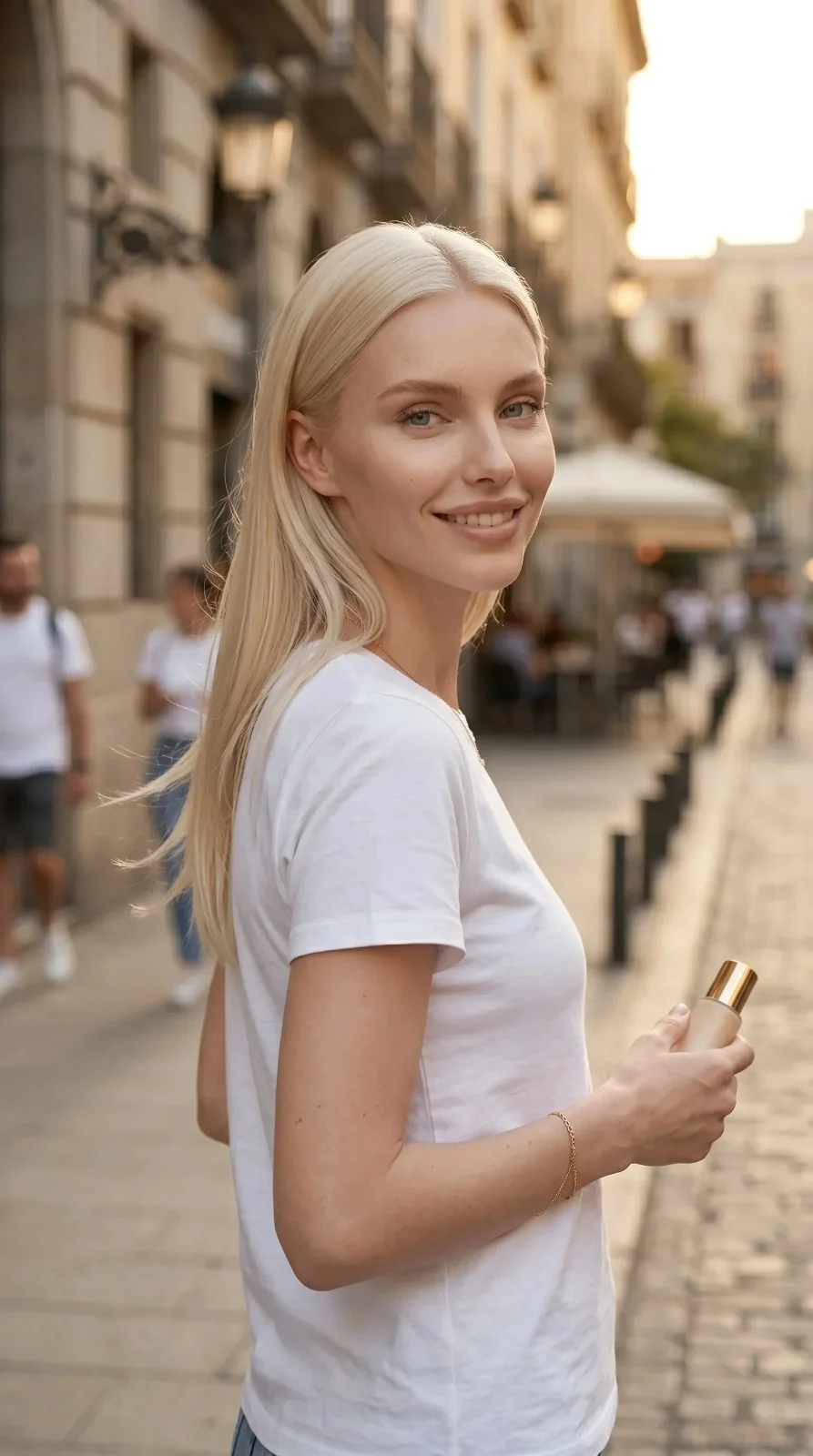
How brands can use virtual models without losing authenticity
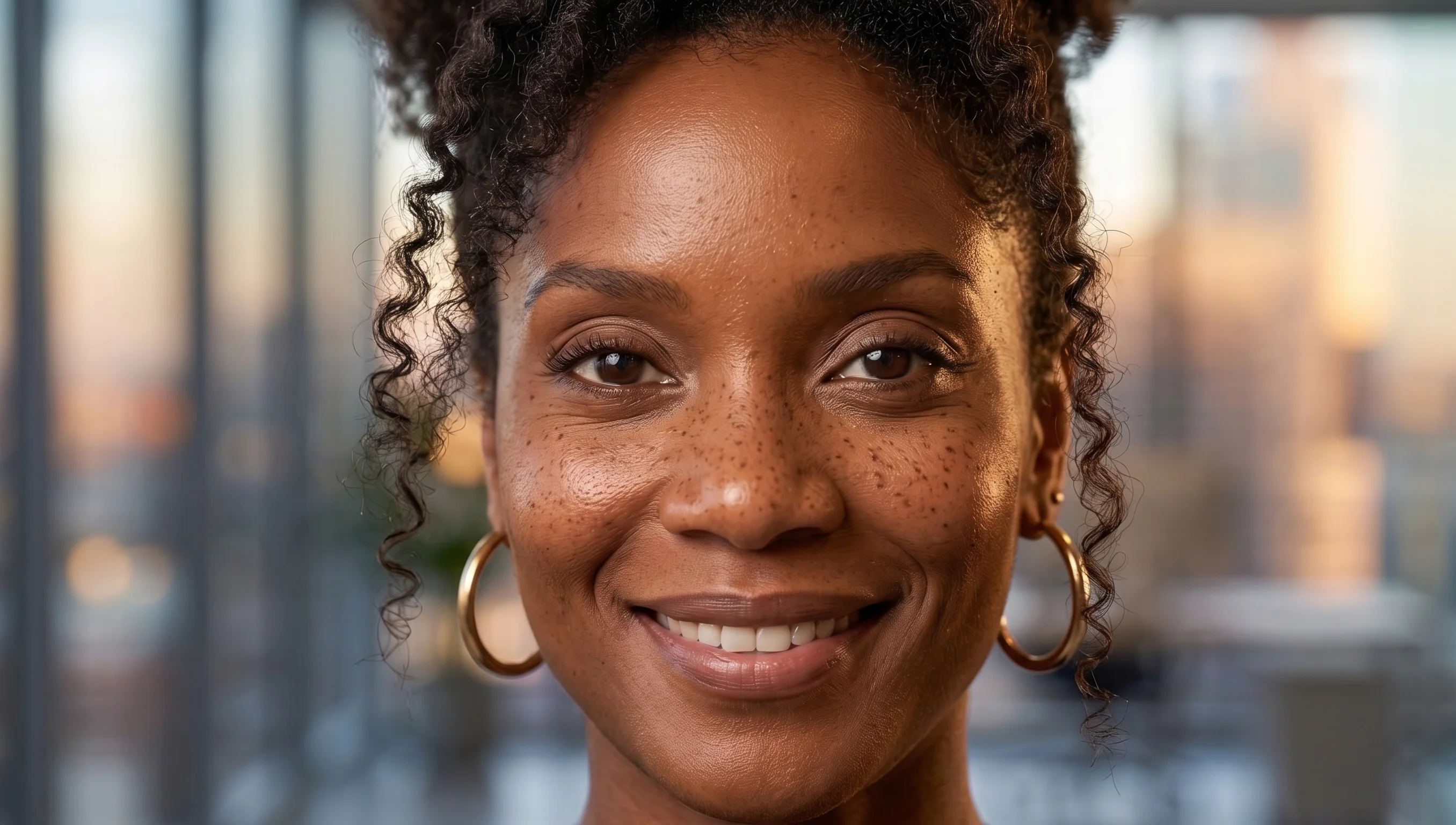
The authenticity concern is valid, and solvable
Audiences can tell when a brand feels hollow, whether the image was shot on camera or generated by AI. Authenticity was never about the production method, it is about whether the brand tells the truth about its product and its values. Virtual models do not change that requirement, they change the cost of testing more ideas against it.
Transparency and consistency build trust
Brands that use virtual models successfully are clear about what they are: a creative choice, not a deception. Consistent casting, realistic representation and honest product claims matter more than whether the model in the image is real. Diversity and representation are actually easier to get right with virtual models, since a brand is not limited to who was available to book for a shoot.
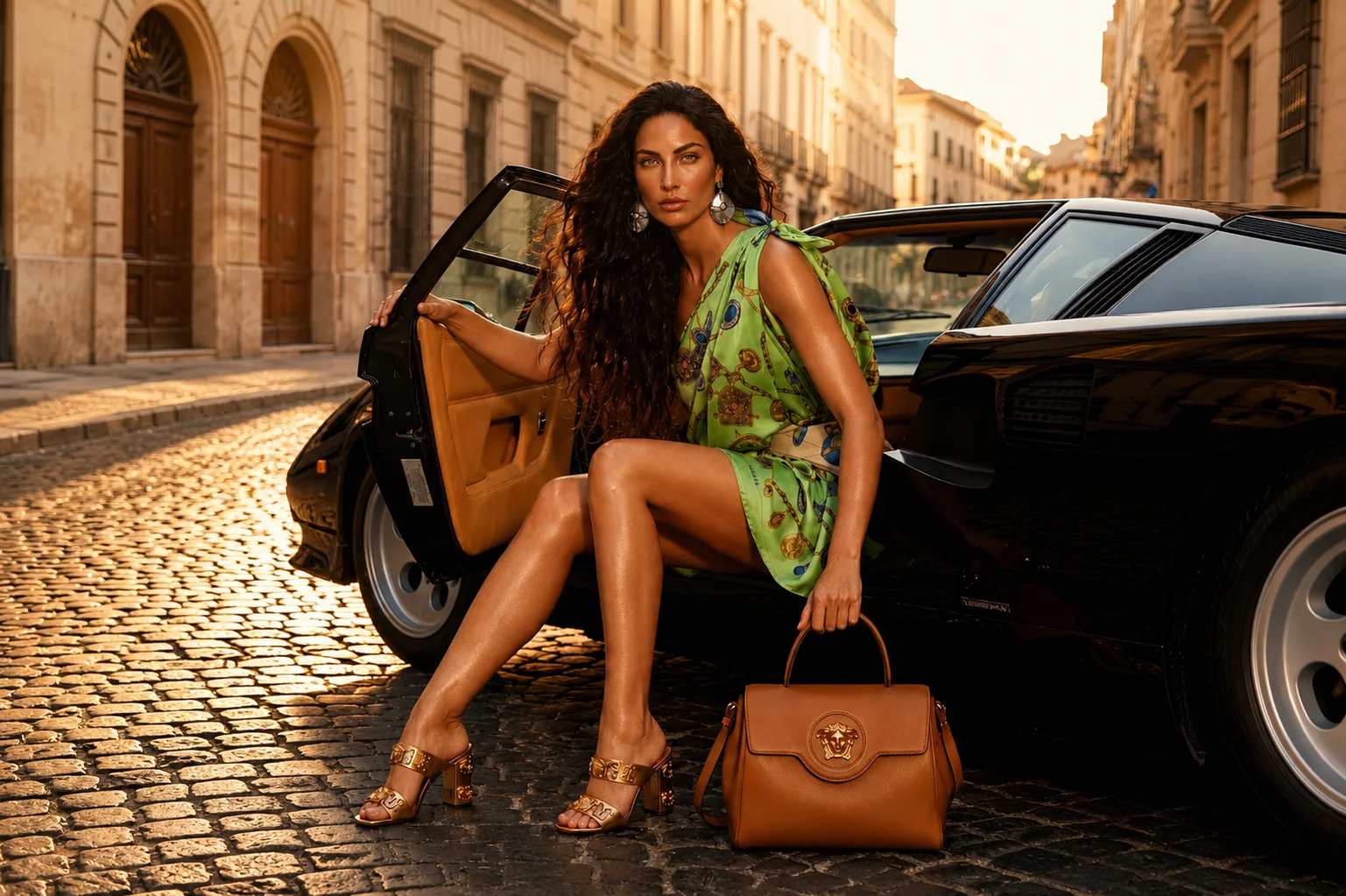
Where the line should be
The clearest rule: never use a virtual model to misrepresent a product's real-world result, such as a skincare 'before and after' that never happened. Used for style, mood and campaign storytelling, virtual models are simply another creative medium, no different from illustration or 3D rendering that brands have used for decades.